
01 Sep What Exactly Qualifies as a High Roller Casino Experience?
High Roller Casino Guide: VIP Limits, Perks, and Where to Play Big
Feeling like the standard casino floor just doesn’t match your appetite for risk or reward? High roller casinos solve that by offering a private, elevated playground where your bets move the room. Here, you get a dedicated host who arranges everything from luxury suites to instant credit lines, so the game is the only thing you focus on. The biggest perk is the exclusive comp system—flight refunds, five-star dining, and cashback that scales with every hand you play.

What Exactly Qualifies as a High Roller Casino Experience?
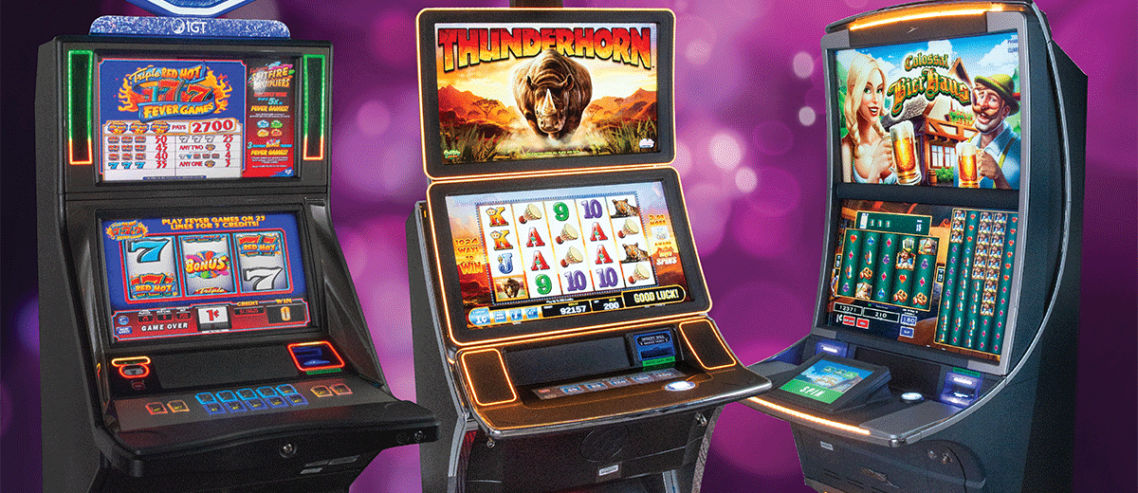
A high roller casino experience isn’t just about betting big—it’s about being treated like the house’s most valuable guest from the second you walk in. What exactly qualifies is a blend of massive betting limits and personalized, white-glove service that ordinary players never see. You get a dedicated host who handles everything from private jet transfers to last-minute concert tickets, plus a luxury suite that’s more penthouse than hotel room. The casino floor shifts too: private salons with higher table maximums, no crowds, and your own pit boss who knows your drink order by heart.
The real marker is comps that scale with your action—cash-back on losses, six-figure credit lines, and a “no asking” policy where your every desire is pre-approved before you even voice it.
It’s not just a session; it’s a fully curated, pressure-free environment where the house’s sole job is to keep you comfortable while you play at stakes most players only see in movies.
Defining the VIP Tier: Betting Limits and Deposit Thresholds
The VIP tier is not a vague status; it is defined by concrete numbers. In high roller casinos, entry typically begins at a **minimum deposit threshold** of $10,000, often escalating to $50,000 or more for elite levels. Betting limits are the second pillar: standard tables cap hands at a few thousand dollars, but VIP tables routinely allow $25,000 to $100,000 per spin or hand. Do not assume a single large deposit qualifies you—operators assess consistent wagering velocity. If you cannot sustain five-figure bets across a session, you remain below the threshold. Ask for the exact limits before committing; a true VIP host will disclose these criteria immediately, not after you lose.
The Difference Between a Whale and a Typical High-Stakes Player
The difference between a whale and a typical high-stakes player comes down to capital deployment, not just bet size. A high-stakes player might wager $5,000 per hand with a $200,000 bankroll, but a whale operates with seven-figure buy-ins and negotiates loss rebates, private jet transfers, and exclusive credit lines before sitting down. The high-stakes player seeks favorable rules and sharp play; the whale demands comps that exceed theoretical loss. High-stakes players cycle funds quickly, chasing variance with discipline. Whales, by contrast, trigger casino risk committees and receive dedicated pit bosses, because their single session can fund a month of casino profit. If your bankroll covers a weekend’s action, you’re high-stakes. If it covers a casino’s quarterly revenue target, you’re a whale.
Key Features That Separate Premium Gaming Floors from Standard Sites
Premium floors for high rollers are defined by transaction architecture, not just decoration. The core differentiator is custom table limits—standard sites cap bets at a few thousand, while premium tiers offer ten-to-hundred-thousand-dollar single hands and bespoke game variants unavailable elsewhere. Speed is another separator: dedicated account managers process withdrawals within hours, not days, and loss rebates are calculated on net session action, not per-bet, which changes bankroll strategy entirely. You also get priority RNG certification and live dealer tables with private rooms, where shuffle timing and deck penetration are negotiated per session. Finally, comps scale with theoretical loss, not turnover—so cashback, travel, and event access are tied to your actual risk profile. Standard sites cannot match this because their infrastructure is built for volume and automated risk, not personalized negotiation. If you’re playing five figures a hand, demand those four features before depositing.
Personal Account Managers and 24/7 Dedicated Support Lines
On premium gaming floors, a dedicated VIP account manager transforms support from a ticket system into a direct line to a human who knows your name, history, and limits. Unlike standard sites where you wait for generic replies, your manager pre-approves withdrawals, negotiates custom bonuses, and coordinates high-stakes tournaments before you even ask. The 24/7 support line isn’t a chatbot dead-end—it patches you straight to a senior agent with immediate authority to freeze limits, escalate payouts, or troubleshoot live dealer glitches mid-session. This pairing ensures zero downtime: your manager handles strategy during business hours, while the night team covers urgent cashouts or technical crises.
- Call or message your manager directly for limit adjustments.
- Use the dedicated line for instant withdrawal holds or reversal requests.
- Get proactive alerts on comp point thresholds and reload offers before expiry.
Exclusive Game Variants with Higher Maximum Bets
On premium floors, you’ll find exclusive high-limit game variants that standard sites simply don’t offer. These aren’t just the same slots with a bigger bet button—think redesigned blackjack tables with side bets that cap at $10,000 per hand, or roulette wheels with special “lucky number” multipliers and a $50,000 max straight-up wager. Baccarat gets a “Dragon Bonus” variant where your max bet jumps to $25,000, and specialty poker games like Three Card Royal allow $5,000 ante plays. The house edge stays similar, but the betting ranges swing wildly, letting you push serious money into single rounds without splitting your action across multiple tables.
Faster Withdrawal Processing and Higher Cash-Out Ceilings
For high rollers, liquidity is the true measure of a premium floor. Priority withdrawal processing means your winnings are queued ahead of standard requests, often clearing within hours via dedicated managers rather than automated queues. Cash-out ceilings are likewise elevated—sometimes reaching seven figures per transaction—eliminating the humiliating drip-feed of weekly caps. Top-tier platforms also waive processing fees entirely and split large payouts into multiple channels (crypto, wire, card) to avoid bank friction. Yet the real distinction lies in how seamlessly the system scales: a five-figure win triggers instant verification, not another identity check.
- 24/7 VIP cashier access with same-day approval on requests above $50,000
- Monthly withdrawal limits raised to 10–20x the standard player’s cap
- No maximum per transaction for verified crypto withdrawals
How to Leverage VIP Bonuses and Comp Points for Maximum Value
To extract maximum value from high roller casinos, treat your VIP host as your primary tool—never accept the initial offer. Negotiate reload bonuses, cashback percentages, and exclusive event access *before* committing your bankroll, as your play history justifies a tailored package. Simultaneously, master comp point velocity by concentrating your wagering on games with low house edge and high comp rates, like video poker or baccarat, rather than spreading play thin. Convert comp points strategically: redeem them for high-value experiences like flights or five-star suites, which often outperform cash-back rates. Most critically, combine these systems—use comp points to fund tournament entries that earn more VIP bonuses, creating a compounding cycle. Track your theoretical loss against your comp value weekly to guarantee your VIP loyalty rewards always exceed what a casual player receives, ensuring your high roller comp strategy remains profitable, not just prestigious.
Understanding Negotiable Bonuses Versus Fixed Welcome Offers
For high rollers, the choice between a negotiable VIP bonus versus a fixed welcome offer hinges on wagering flexibility and bankroll control. A fixed offer, while generous, locks you into preset turnover requirements and game contribution caps, often penalizing high-stakes play. A negotiable bonus, by contrast, lets you adjust the match percentage, deposit threshold, and even the wagering multiplier before committing. This matters because your expected loss per spin is known; negotiating a lower playthrough on a higher table limit can preserve your edge. Always request a written breakdown of how forfeiture works if you exceed the casino’s max bet during bonus play. The real value lies in shifting the terms, not just the bonus size, to match your session strategy.
Negotiable terms protect your bankroll by aligning wagering with your actual bet size, while fixed offers force you into a one-size-fits-all compromise.
Turning Cashback Deals and Loss Rebates into a Strategic Advantage
For high rollers, cashback and loss rebates are less about consolation and more about engineered probability. Treat these offers as your personal volatility cushion—they let you play aggressively with higher stakes, knowing a percentage of losses returns to your bankroll. The strategic edge comes from stacking tier-based rebates with weekly cashback, then timing your biggest sessions when the percentage is highest. Negotiating a personalized loss-rebate rate before you play is key; casinos often grant 10-20% for consistent volume players. Always confirm the rebate’s currency (cash vs. bonus) and its wagering requirements, if any.
- Calculate your effective house edge after rebates to choose games with the best true return.
- Use rebates to fund exploratory sessions on new game providers or high-variance slots.
- Request a monthly aggregated rebate—this often beats per-session offers.
Mastering this turns every downturn into a discounted learning opportunity, not a pure loss.
Choosing the Right Venue for Your Bankroll and Playing Style
Selecting a high roller venue demands a strict alignment between your bankroll and playing style, as table limits alone do not define suitability. First, verify that the minimum bet on your preferred game falls well below your session loss cap—if a single hand can deplete a third of your funds, the venue is too aggressive. Conversely, a player who favors long, slow sessions must reject casinos with forced table turnover or time-limited rebuy rules. Assess the comp structure: a low-roller high limit room offering cashback on theoretical loss suits a grind-heavy style, while a flashy suite with front-loaded perks fits a hit-and-run strategist. Always request a shadow credit line before depositing, ensuring the venue’s internal risk tolerance matches your swing size.
The optimal venue makes your session length statistically comfortable, not merely your bet size.
Finally, test the pit boss’s flexibility on side bets and early surrender—those small concessions preserve bankroll for the long game.
Evaluating Payment Methods: Wire Transfers, Crypto, and Premium Cards
For high rollers, evaluating payment methods hinges on balancing limits, speed, and fees. Wire transfers handle massive sums with bank-grade security but often incur high fees and settlement delays of 1–3 business days. Crypto offers near-instant deposits and withdrawals, lower costs, and full anonymity, yet introduces volatility risk between conversion and play. Premium cards (e.g., Visa Infinite or Amex Centurion) provide convenience and buyer protection, but casinos frequently cap card deposits well below wire or crypto thresholds, and some issuers block gambling transactions entirely. Assess your bankroll size against each method’s maximum limits and processing windows; a hybrid approach—using crypto for immediate play and wires for reloads—often proves optimal. Always verify the casino’s exact policy on transaction caps before committing.
Red Flags to Avoid When Picking a Private Gaming Lounge
When scouting a private gaming lounge, demand transparency on table limits before you sit down—a vague “negotiable” cap often masks a ceiling far below your bankroll’s true potential. Watch for pressure to use dedicated hosts who route every bet through their own ledger, a classic sign they’re skimming your action. If the lounge pushes complimentary credit without a clear, written repayment schedule, walk—that’s a debt trap disguised as VIP service. Also, red flags to avoid when picking a private gaming lounge include staff who deflect questions about shuffle frequency or pit boss authority. Finally, test the ambiance: a lounge that isolates you from the main floor, yet lacks a direct exit, prioritizes your wallet over your comfort.
Trust only lounges that state hard limits, document credit terms, and respect your autonomy—anything less is a warning bell.
Mobile and Live Dealer Options for High-Stakes Action on the Go
For high rollers who refuse to be tethered to a desktop, **mobile-optimized high-stakes action on the go** hinges on two practical choices: dedicated native apps versus instant-play browsers. Native apps often deliver faster bet placement and lower latency, critical when you’re chasing a table limit spike during a live dealer session. Verify that the live dealer lobby on your phone supports private tables, adjustable camera angles, and a “waiting list” feature for exclusive baccarat or blackjack seats with caps above $10,000. Also, check whether the software allows you to preload your bankroll via a one-tap cashier shortcut before joining—otherwise, you’ll lose position at peak hours. Finally, test the game’s video stream stability on 5G, not just Wi-Fi, because a dropped connection mid-hand can trigger an auto-fold on your side bet.
Q: Can I play live dealer blackjack on a phone with the same table limits as my desktop session?
A: Yes, but only if the casino’s mobile build uses the same server-side table inventory. Log into the live lobby on your phone during peak hours to confirm your $25,000 minimum table appears; if it doesn’t, that operator splits its desktop and mobile pools, so switch brands.
Practical Tips for Managing a Large Bankroll and Protecting Your Edge

For high rollers, protecting your edge begins with **segregating your bankroll into discrete session blocks**, never exposing more than 5% of your total capital to a single game cycle. Negotiate loss rebates and reduced house edge before play, not after—casinos offer sharper terms to players who commit large sums upfront. Track every bet’s expected value in real time, and ruthlessly cut sessions when your actual deviation exceeds two standard deviations, regardless of emotion.
The true edge is preserved by cashing out 20% of any major win immediately, locking profit away from the casino’s reclaim mechanisms.
Use the casino’s comps solely to offset travel and suite costs, never as a justification to raise stakes. Finally, establish a strict daily stop-win and stop-loss, then walk away the moment either hits—your discipline, not the game, is the only sustainable advantage.
Setting Loss Limits and Session Caps Without Sacrificing Enjoyment
For high rollers, loss limits and session caps function as a pre-commitment framework, not a restraint on fun. Determine a fixed monetary ceiling per session—typically 10–20% of your total bankroll—and a time boundary (e.g., 90 minutes) before you start playing. When the cap hits, walk away immediately; this preserves the psychological thrill of the next session rather than forcing a tilt chase. To keep enjoyment high, allocate a separate “discretionary buffer” for low-stakes games within the same session, so you still get casual play without touching your core edge. Use the casino’s built-in limit tools, but also set a personal alarm on your phone as a redundant trigger.
- Set a daily stop-loss at 15% of your bankroll; stop at that exact number.
- Cap each game type separately—e.g., blackjack 60 minutes, slots 30 minutes.
- Schedule a mandatory 15-minute break after every loss-limit milestone, even if you’re winning.
- Pre-decide a “re-entry rule” (e.g., no return within 24 hours) to prevent emotional resets.

This approach treats session caps as a reward system—each disciplined exit builds a longer runway for future high-stakes play, keeping the edge intact while the fun remains a choice, not a compulsion.
What Happens When You Hit a Losing Streak at the Top Tables

When a losing streak hits at the top tables, the immediate mechanical risk is that your bankroll depletion curve steepens exponentially https://jerusalemonline.com due to fixed table limits. Your first action must be to freeze your betting unit rather than chase, because the house edge compounds against larger wagers during variance. Next, enforce a hard loss cap—typically 20% of your session bankroll—and step away for 24 hours to reset decision-making. Review your hand histories for strategic drift, not just bad luck; tilt often masks subtle errors. Finally, recalibrate your win-rate expectations: top tables attract sharper opponents, so a 10-session downswing may demand a temporary drop to lower stakes to rebuild emotional capital.

Common Questions New VIPs Ask About Wagering Requirements and Rakeback
New VIPs often ask whether wagering requirements apply to every bonus, and the precise answer is that cashback and rakeback typically bypass them, while deposit matches do not. A frequent follow-up concerns how rakeback is calculated—most high roller programs compute it from the house edge on each hand, not your total wagered volume, so asking for a flat percentage of gross drop is wise. Another common query is whether points earned toward rakeback degrade if you win; they do not, since rakeback rewards turnover, not losses. Finally, VIPs wonder if meeting a 20x playthrough on a large deposit is mandatory—it is, unless you opt out of the bonus beforehand. **Clarify these terms before your first big deposit** to avoid forfeiting your edge.
Sorry, the comment form is closed at this time.